The Silent Fjords: Winter Solitude in Western Norway
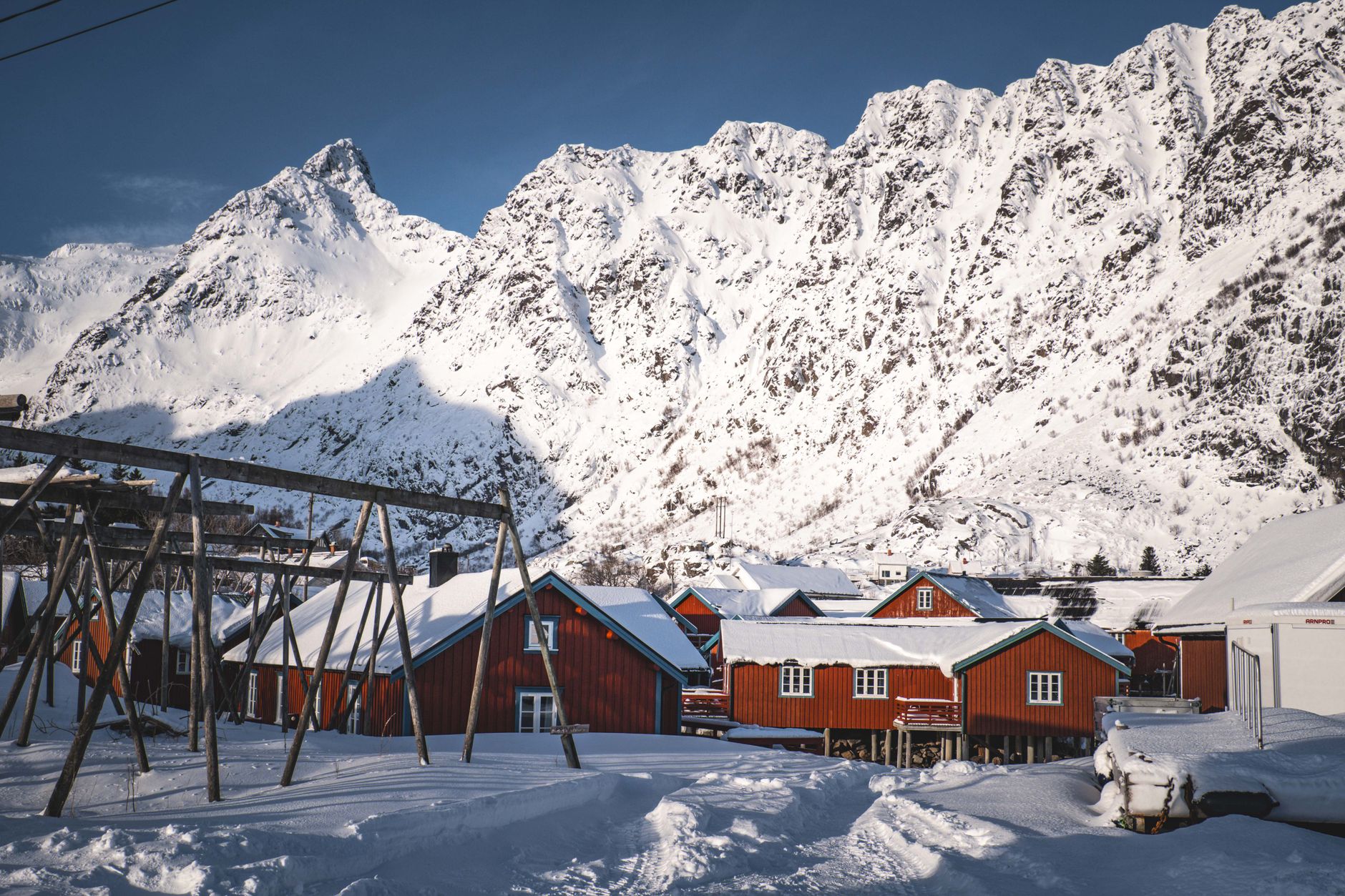
To understand the real heartbeat of Western Norway, you must arrive when the daylight shrinks to a low, amber smudge along the granite peaks and the summer catamarans have long ceased their thunder.
We boarded the regional ferry out of Bergen under a slate sky. The salt spray froze instantly against the brass fittings on the forward deck. In summer, Geiranger and Nærøyfjord groan under thousands of digital cameras; in mid-winter, however, the water turns into black glass, broken only by the occasional pod of harbor porpoises.
Architecture of Warmth
In the small village of Aurland, traditional red timber dwellings sit anchored to sheer rock faces. Inside, the pine aroma of birch logs crackling in cast-iron stoves establishes an immediate equilibrium against the polar wind. The local philosophy of friluftsliv—open-air living—is not abandoned in cold weather; it is merely deepened.
"The cold clarifies our thoughts. You step onto the deck, inhale air untouched by urban dust, and remember the scale of your own insignificance."
We spent five days accompanying local cider makers who continue pressing heirloom apples in ancient cellars. The resulting sparkling vintage carries notes of frost and wet stone, an authentic reflection of this austere microclimate.
How to Experience Winter in the Fjords
Traveling here between November and February requires patient logistical planning. Train journeys along the Flåm railway should be booked for early morning departures to catch the pale blue twilight reflecting off frozen waterfalls.
- Base yourself in smaller homesteads rather than large harbor hotels.
- Equip yourself with merino base layers and wind-resistant outer shells.
- Embrace the shortened sunlight: afternoon reading by the fire is as essential as the morning trek.