The Way of Matcha: Morning in a 300-Year-Old Farmhouse
Fog clings low across the terraced tea bushes of Wazuka, an agricultural pocket southeast of Kyoto. By 6:00 AM, master tea grower Kenji Mori has already tended to his stone grinding mills.
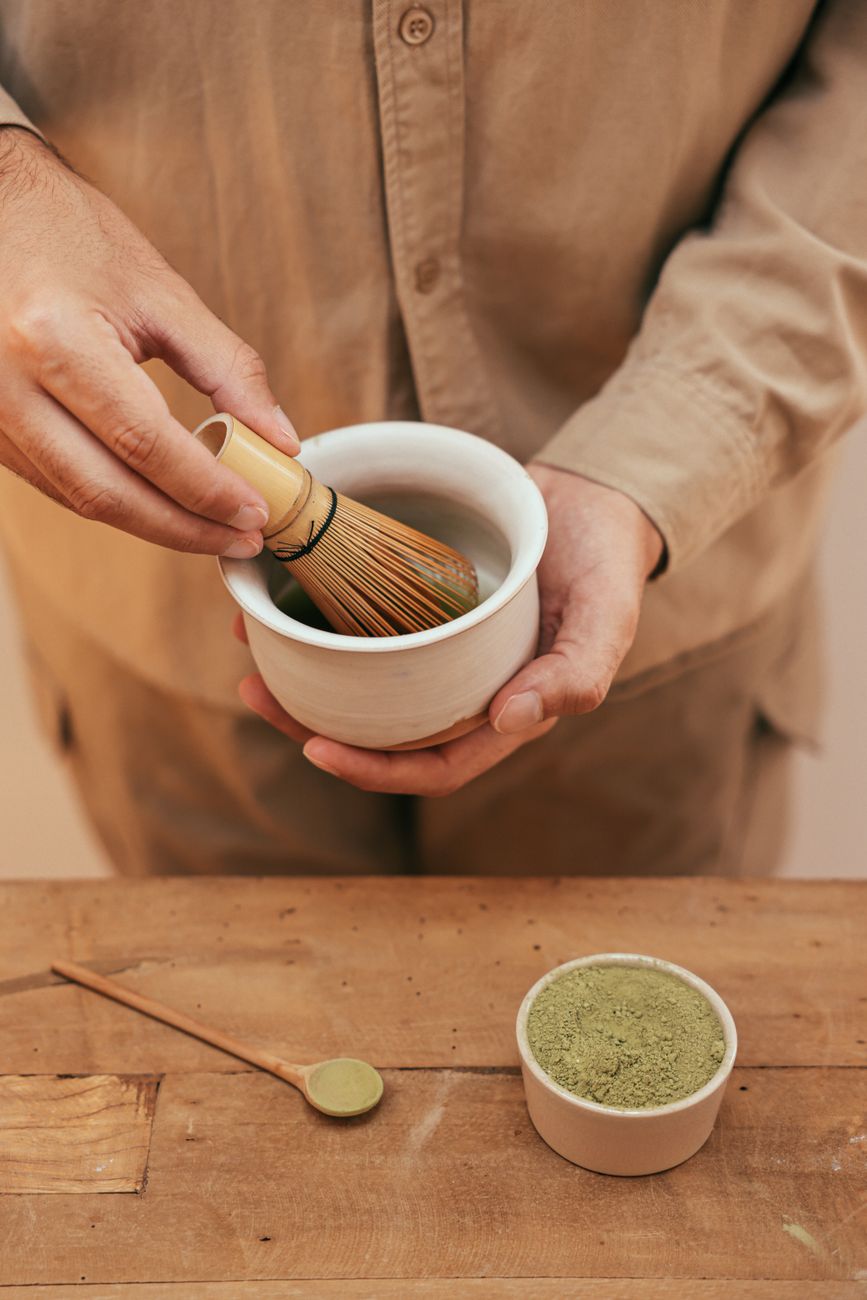
The ritual of chanoyu—commonly translated as the Japanese tea ceremony—is frequently romanticized in guidebooks as a rigid sequence of gestures. Yet sitting on tatami mats beside Mori-san, one realizes it is fundamentally an exercise in undivided presence. Every movement, from wiping the lacquer scoop to resting the bamboo whisk, exists solely to eliminate psychological noise.
The Geometry of Stillness
The tea room itself is deliberately austere. The alcove (tokonoma) holds only a single spray of wild mountain blossoms in a charcoal-fired stoneware vase and a hanging scroll bearing brush calligraphy. There are no paintings on the sliding paper screens, no gilded fixtures.
"The bowl in your hands is irregular because human life is irregular. We drink together knowing this precise moment will never occur again in all of eternity."
The powdered green tea whisked with spring water at precisely 80 degrees Celsius blooms with an intense vegetal vibrancy—sweet, savory with umami, and gently astringent.
Curating Your Visit to Uji
Rather than flocking to crowded souvenir lanes near the main temple district, arrange visits through specialized culinary guides who maintain relationships with independent growers.
- Opt for early morning tea evaluations when sensory perception is sharpest.
- Visit local potters in Asahiyaki who have gathered river clay for over four centuries.
- Leave cameras inside canvas bags during the actual preparation to respect the host's tempo.